Risk Profiles
Oxford Economics Global Cities Index Scores

Caracas
Caracas's risk score is 11 points above the base, indicating an increase in volatility.
Base Risk
982
Change
+11%
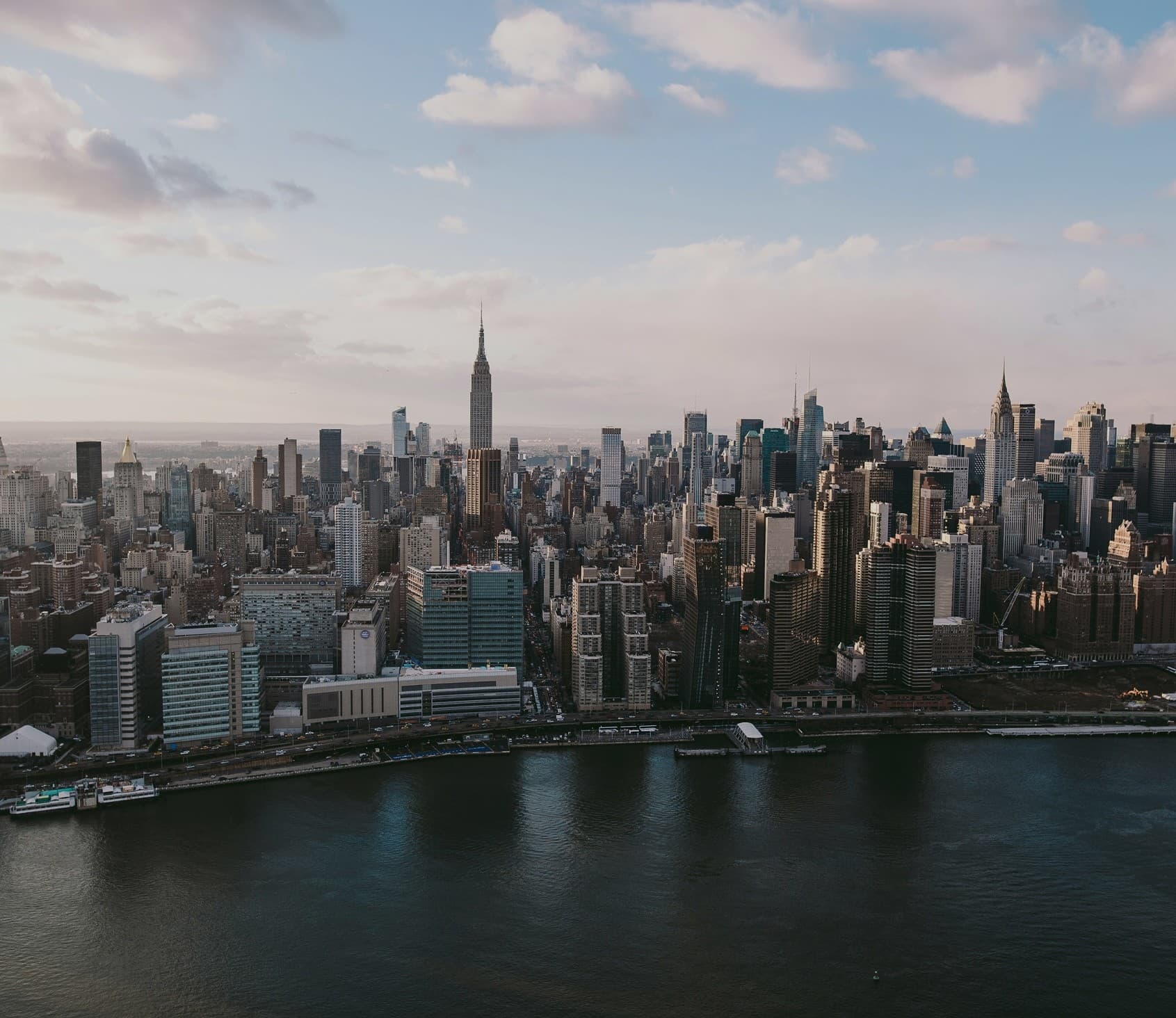
New York City
NYC's risk score is 12 points above the base, indicating an increase in overall volatility.
Base Risk
345
Change
+12%
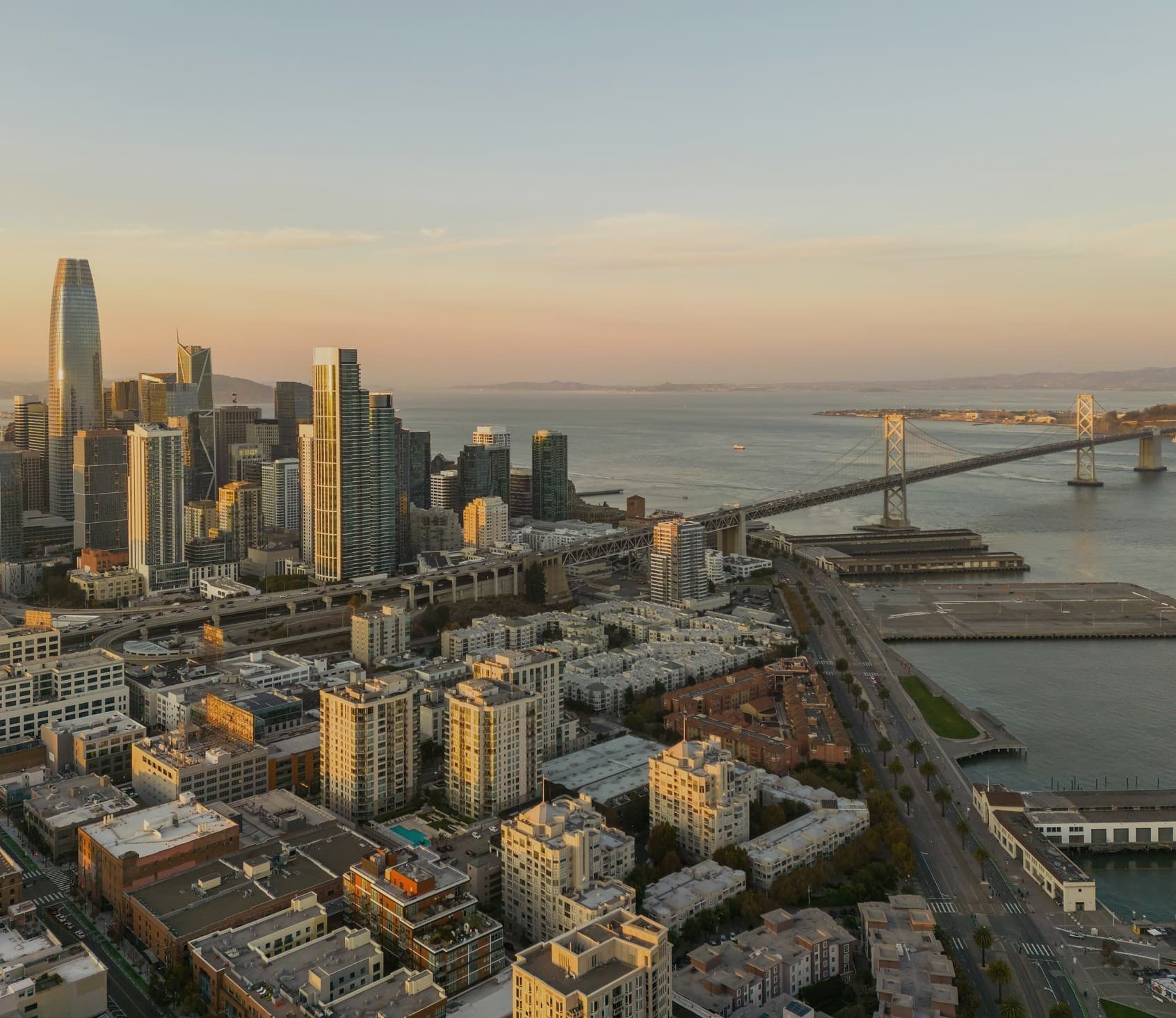
San Francisco
San Francisco's risk score is 14 points below the base, indicating an improvement in overall stability.
Base Risk
361
Change
-14%

Melbourne
Melbourne's risk score is 5 points below the base, which demonstrates stability compared to the food-related risk that presented earlier in the week.
Base Risk
356
Change
-5%
Melbourne
Melbourne risk assessment: Base Risk 356, +32% change driven by food risk (+23%). Government risk improved -12%. AI-driven analysis by Orion.
Base Risk
356
Change
+32%

Los Angeles
Los Angeles risk assessment: Stable outlook with rising food risk (+11%) offset by governance and conflict improvements. AI-driven analysis by Orion.
Base Risk
0
Change

Paris
Paris risk assessment: Score increased +4, food risk up 5% while government (-3%) and conflict (-3%) risks improved. AI-driven analysis by Orion.
Base Risk
0
Change
-
New York City
New York City risk assessment: Base Risk 331, stable outlook. Government risk -2%, food security improved +10%. AI-driven analysis by Orion.
Base Risk
0
Change
-

Tokyo
Tokyo risk assessment: Base Risk 17.8, stable outlook. Government and conflict risks both improved -2%. AI-driven analysis by Orion.
Base Risk
0
Change
-
The Blog
Orion's inside scoop on risk

CISA to Infrastructure: Plan for Going Offline
CISA's CI Fortify initiative tells critical infrastructure operators to prepare for weeks of isolated operations during cyber conflict. Here's what it means.

Hurricane Season 2026: Prepare Operations Before June 1
The 2026 hurricane season starts June 1 with 11-16 storms forecast. Below-average counts don't mean low risk. Here's how operations teams should prepare now.

3 Critical Vendors Got Hacked in 30 Days
Medtronic, Itron, and Fiserv all disclosed cyber breaches within 30 days. When your upstream vendors get hacked, your operations bear the downstream risk.

Trump-Xi Summit: What Supply Chain Teams Should Watch
Trump and Xi meet in Beijing this week to discuss $30B in tariff cuts, rare earth controls, and Iran. Here's what supply chain and operations teams must watch.
CISA Says Critical Infrastructure Must Run in Isolation
CISA's CI Fortify initiative tells infrastructure operators to plan for weeks to months of isolated operations during geopolitical cyber conflict.
Hurricane Season 2026: What Operations Teams Need Now
The 2026 hurricane season starts June 1 with 11 to 16 named storms forecast. Here is how operations teams should prepare facilities and supply chains.

Political Risk Just Hit a Record. Your Ops Plan Hasn't.
The Coface political risk index hit 41.1 percent, a record exceeding the Covid peak. Operations teams need to treat geopolitics as continuous risk.

6 Months Until China's Rare Earth Controls Return
China paused rare earth export controls until November 2026. Manufacturers relying on Chinese supply chains have six months to diversify or face price spikes.

CISA's CI Fortify Means Running Offline for Months
CISA's new CI Fortify initiative tells water, energy, and transport operators to plan for weeks to months of isolated operations. Here's what it requires.

China's Sulfuric Acid Ban Just Hit Global Mining
China's sulfuric acid export ban took effect May 1, 2026. Here's what it means for copper mining, fertilizer production, and global supply chain operations.

When Drones Hit the Cloud: Physical Risk to Data Centers
Drone strikes hit three AWS data centers in March 2026, costing Amazon $150M and disrupting banking across the Gulf. What infrastructure teams need to know.

Extreme Weather Is Now the Supply Chain Baseline
Extreme weather events are up 33% and flood alerts surging 214% in 2026. For operations teams, disruption is no longer the exception. It is the baseline.
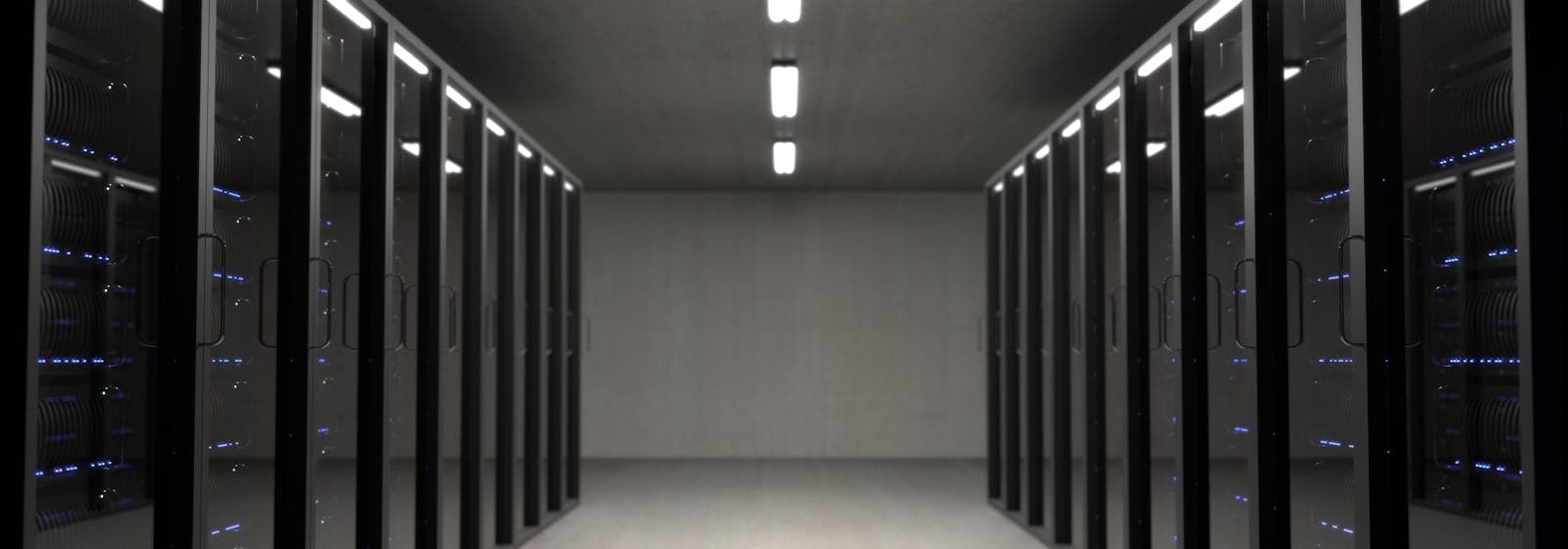
60 Data Centers Dropped Off Virginia's Grid at Once
NERC is issuing a Level 3 alert after data center load loss events threatened grid stability. Here's what infrastructure operators need to prepare for.
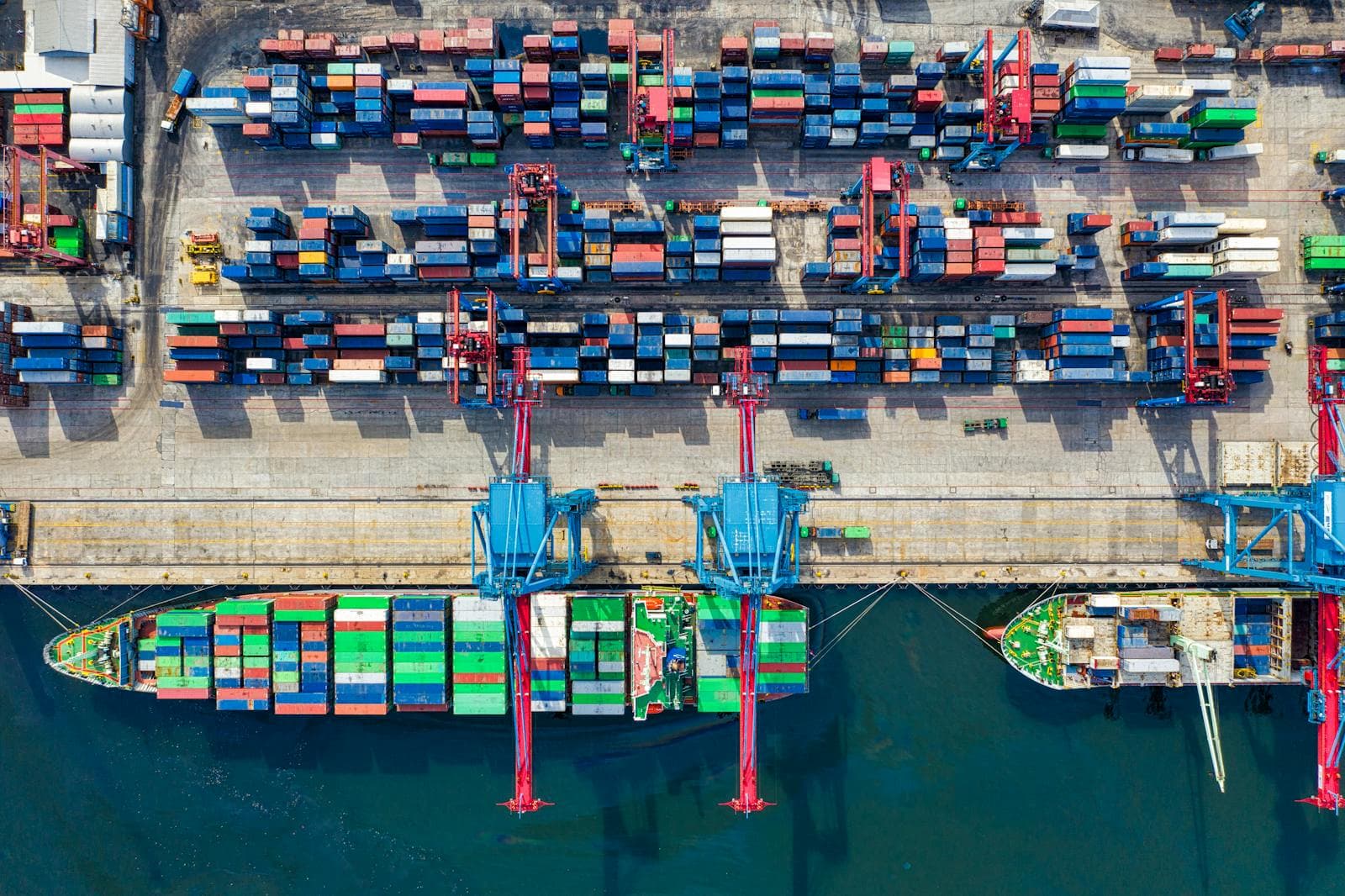
The Hormuz Crisis Isn't About Oil Anymore
Plastics, aluminum, and fertilizer are now disrupted by the Hormuz closure. Here's what manufacturing and logistics teams need to know beyond the oil headlines.

The Copper Crunch Is a Supply Chain Problem Now
A 330,000-ton copper deficit, a wrecked megamine, and six countries controlling supply. What operations teams need to know about the 2026 copper crunch.

Mexico's Port Breach Puts 640,000 Workers at Physical Risk
A massive breach at Mexico's port access platform exposed biometric data on 640,000 workers. Here's what it means for supply chain and physical security.

Ghana's Cocoa Collapse: A Supply Chain Governance Failure
Ghana's cocoa farmers haven't been paid in six months. COCOBOD carries $60B in liabilities. Here's what the crisis means for commodity supply chains.
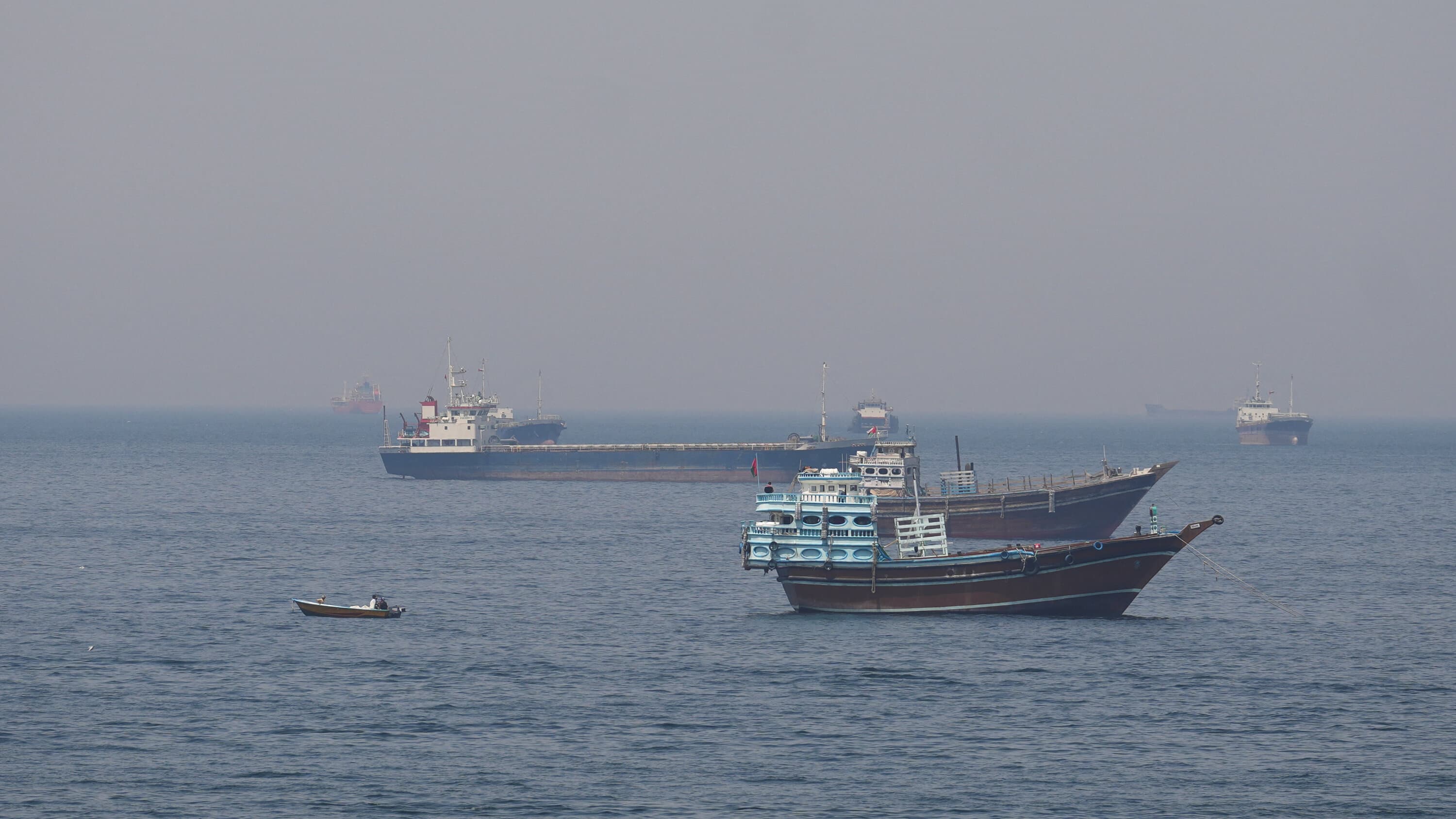
Blackouts in the Pacific: Where the Hormuz Crisis Hits Last
Pacific island nations are rationing fuel and facing daily blackouts from the Strait of Hormuz blockade. What this means for supply chain end-node risk.
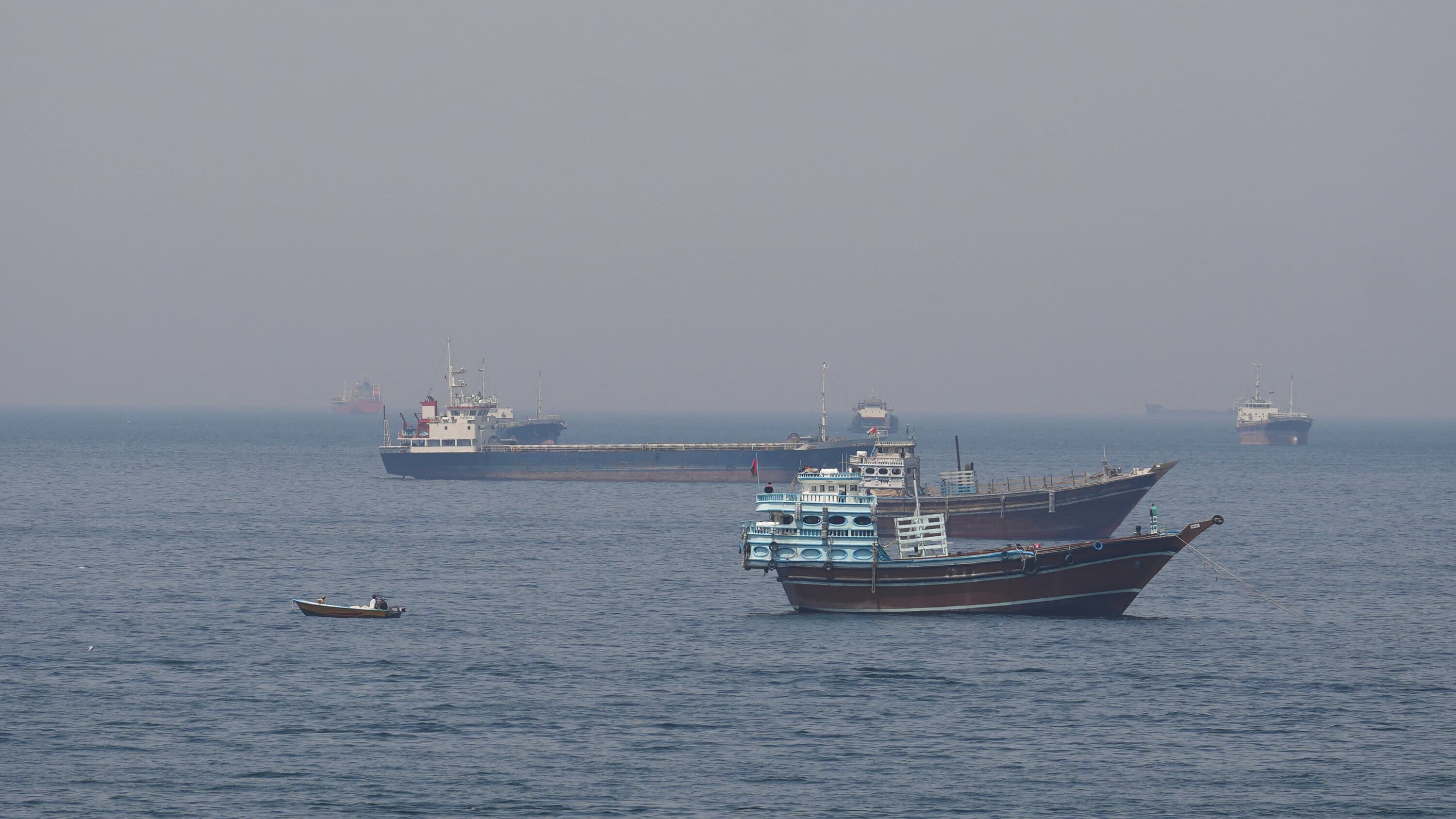
Beyond Oil: What Else the Hormuz Blockade Disrupts
The Hormuz blockade goes beyond oil. Fertilizer, helium, and aluminum are caught in the closure, and Pacific Island nations are declaring fuel emergencies.
FEMA Is Running on Fumes Before Hurricane Season
FEMA's workforce is gutted and its disaster fund is nearing depletion just as hurricane season approaches. Here's what that means for your continuity plan.
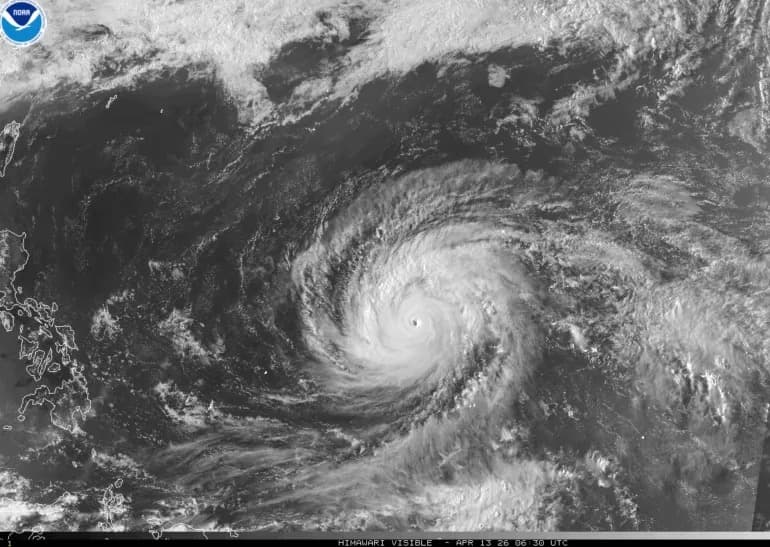
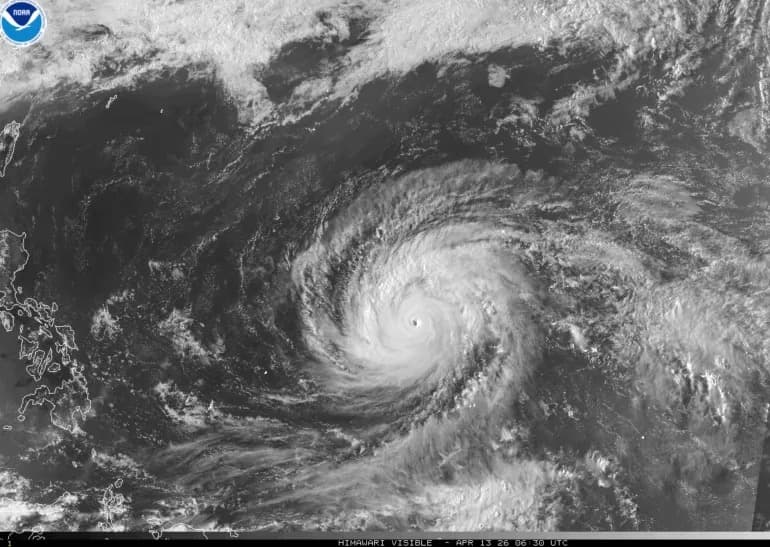
Super Typhoon Sinlaku: What Pacific Operators Should Do Now
Super Typhoon Sinlaku is pounding Guam and the Northern Marianas with 185 mph winds. Here's what Pacific operations and supply chain teams should do now.
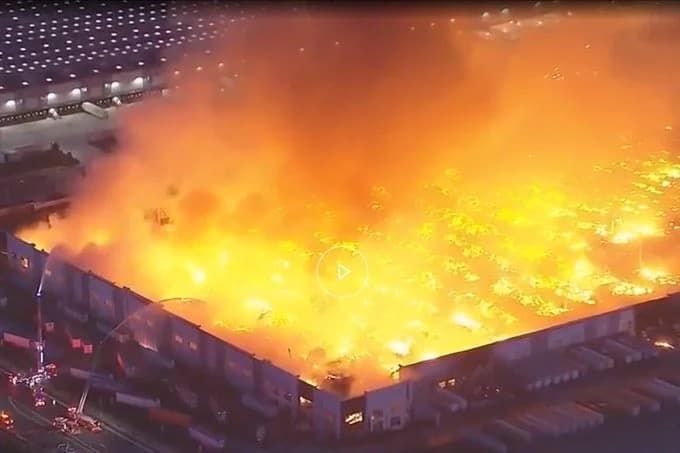
The $600M Warehouse Fire and the Insider Threat Gap
An employee torched a $600M Kimberly-Clark warehouse last week. The insider threat gap in distribution centers is wider than most operations teams realize.
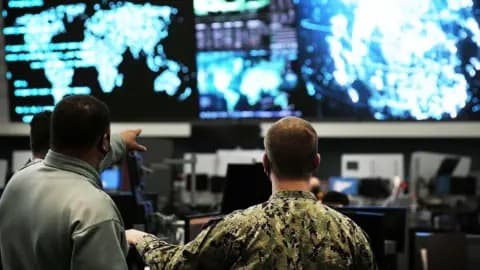
Iran's Cyber Campaign Is Hitting Physical Infrastructure
Iranian-affiliated hackers are targeting PLCs in US water and energy systems. Here's what infrastructure operators need to know about the active campaign.
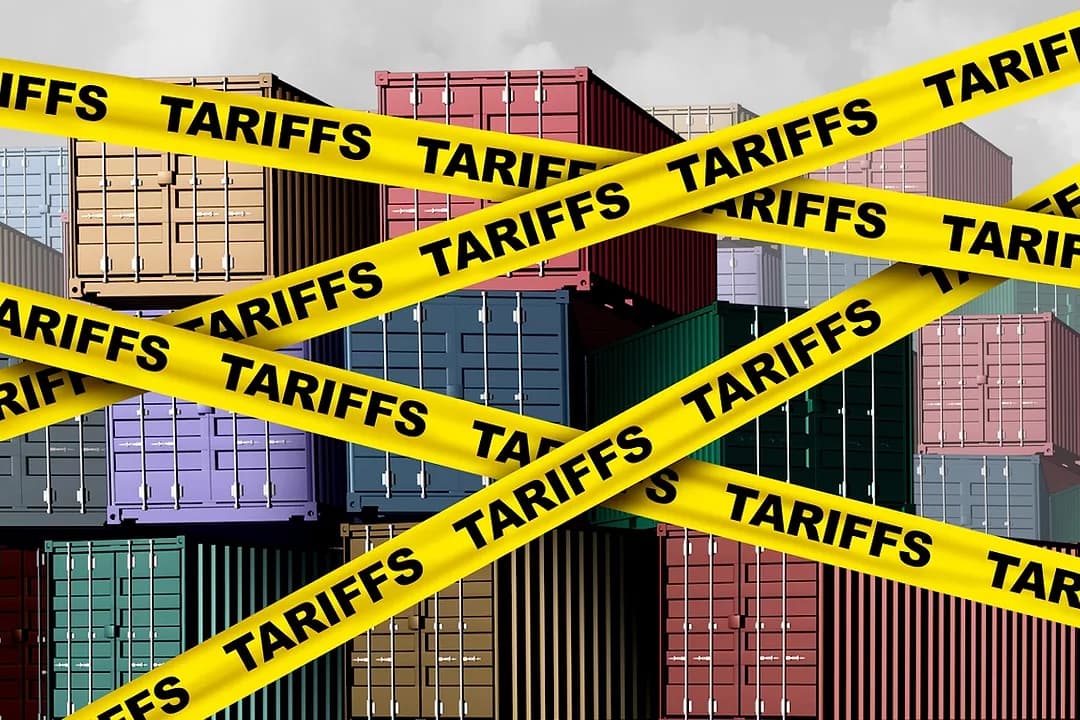
Liberation Day Tariffs: One Year of Supply Chain Fallout
A year after Liberation Day tariffs hit, supply chains have shifted for good. 89,000 jobs lost, new supplier geographies, and new operational risk surfaces.

World Cup 2026 Security: What GSOC Teams Should Plan For
The 2026 FIFA World Cup spans 16 cities across three countries with over 6 million fans expected. Here's what GSOC and security teams should prepare for.
Strait of Hormuz Traffic Down 90%. Here's What That Means for Your Supply Chain.
The Strait of Hormuz is effectively closed -- 20% of global oil transits this chokepoint. Here's who's exposed, what's cascading, and what to watch next.
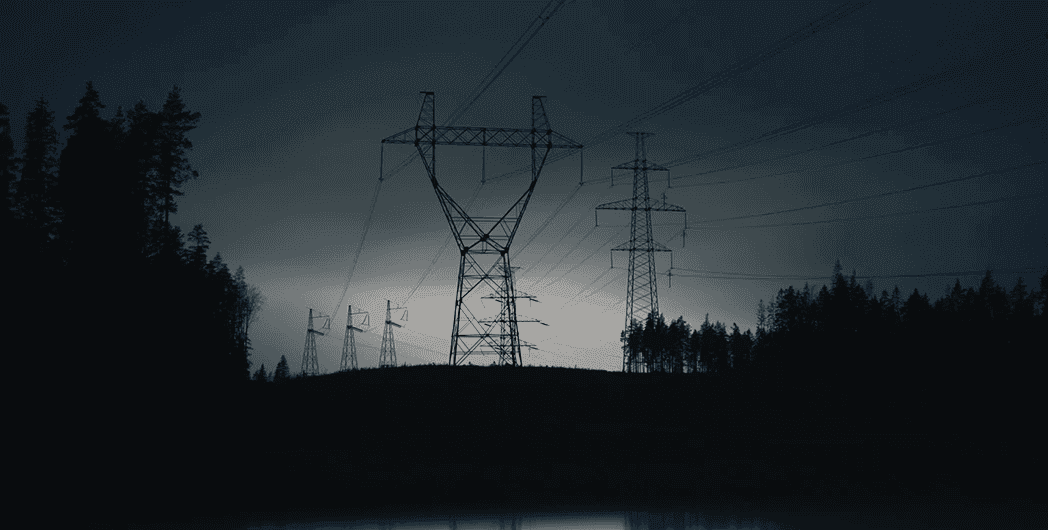
Power Outages: Operational Risks and How Orion Mitigates the Damage
Power outages are an annoying headache that are often times unavoidable. Your perishables spoil. You can't see anything. Your outlets don't work. Think of this, but on a grander scale. Logistics companies suffer tremendously from power outages. What seems like a mere hour to you, could mean a whole lot more to manufacturing warehouse. Learn about the operational risks associated with power outages and how Orion can help!
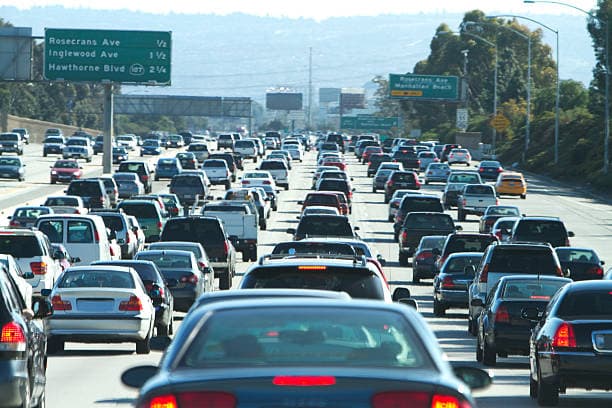
Top 4 Cities with the Heaviest Traffic
Bumper to bumper traffic is a major pain, often delaying ETAs, hiking up fuel costs, causing accidents etc. Here are the top 4 cities that experience the heaviest traffic.
6 Risk Intelligence Companies You Should Know About
Here are 7 key players in the risk intelligence vertical that help protect your assets so that you can focus on other matters.
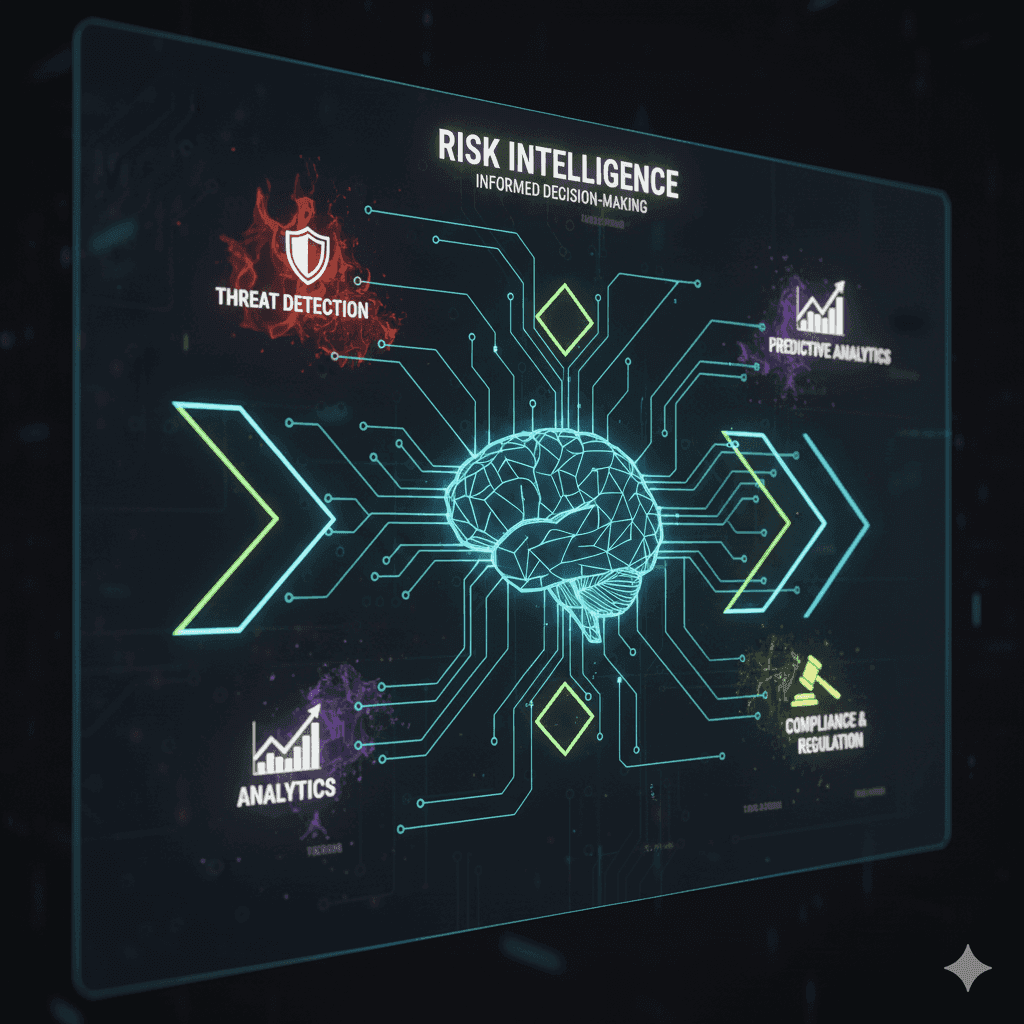
4 Industries that Benefit From Risk Intelligence
Here are 4 industries that benefit significantly from Risk Intelligence.

3 High Risk Areas in Denver and the Causes
Denver offers vibrant city life and stunning outdoors but has high-risk areas like Civic Center, Sun Valley, and Five Points known for violent crime, poverty, and gang activity. Stay informed and protect your assets with real-time risk insights from Orion.
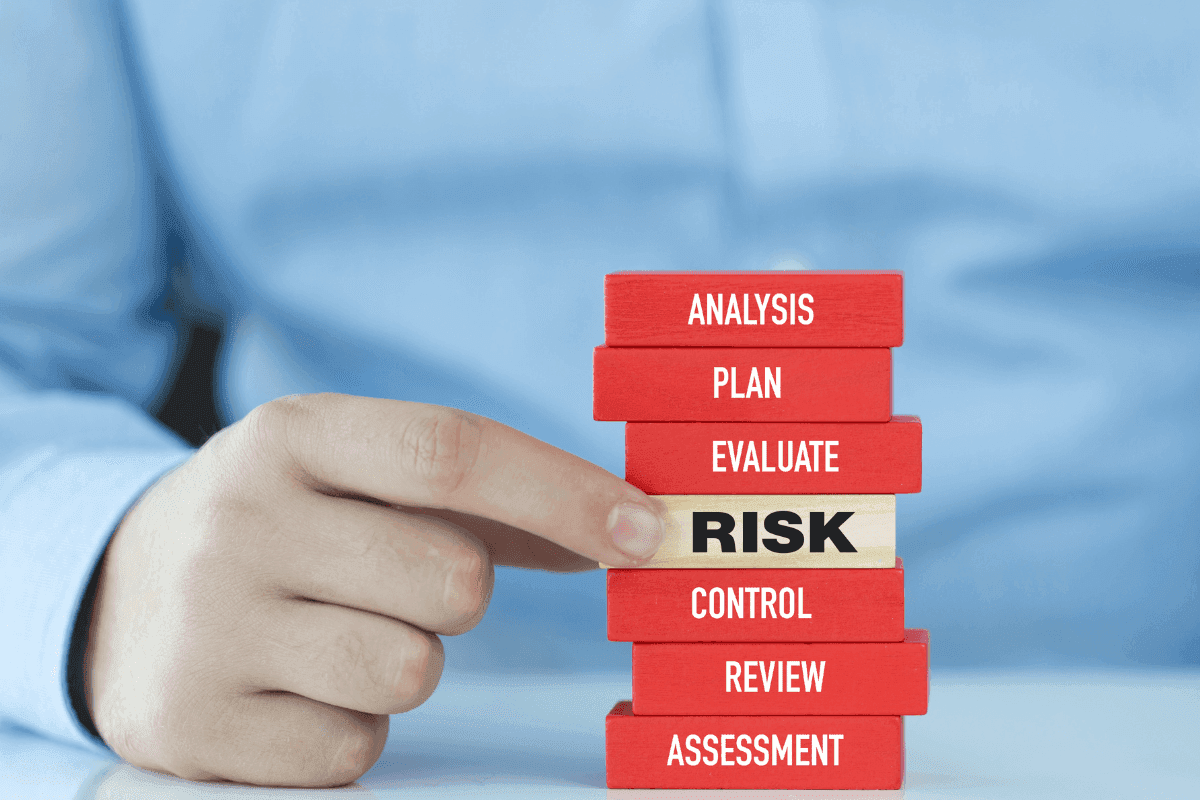
Protecting Your People: Addressing Physical Risks to Workforce Safety and Continuity
Workforce safety is essential to business continuity, especially when physical risks threaten operations. Here’s why a proactive approach to employee safety matters.
Why Data Quality and Precision Matter in Risk Management for Physical Assets
When managing physical assets, the accuracy and depth of data can make a huge difference. Here’s why quality data is essential for informed risk decisions.

Top 4 Ways Data Can Improve Site Selection and Business Location Decisions
Choosing the right location is about more than just convenience - it’s about understanding and managing risks. Here’s how data-driven insights can support your business’s site selection process.

Planning for the Unpredictable: How Environmental Risks Can Impact Business Operations
Environmental risks are on the rise and can create sudden challenges for businesses. Here’s why understanding these risks is essential to keeping your operations on track.
Why Real-Time Data Should Be Part of Your Risk Management Strategy
Companies are increasingly looking to real-time data to keep up with today’s business landscape. Here’s how immediate insights can support better decision-making and risk preparedness.

5 Hidden Risks Your Business Might Be Overlooking (And How to Spot Them)
This article dives into the overlooked challenges business face, and how to spot them early.

U.S. Crime Rates Drop: What This Means for Security and Risk Management
US crime rates in 2023 were in decline, but risk proffesionals should still stay vigilent.
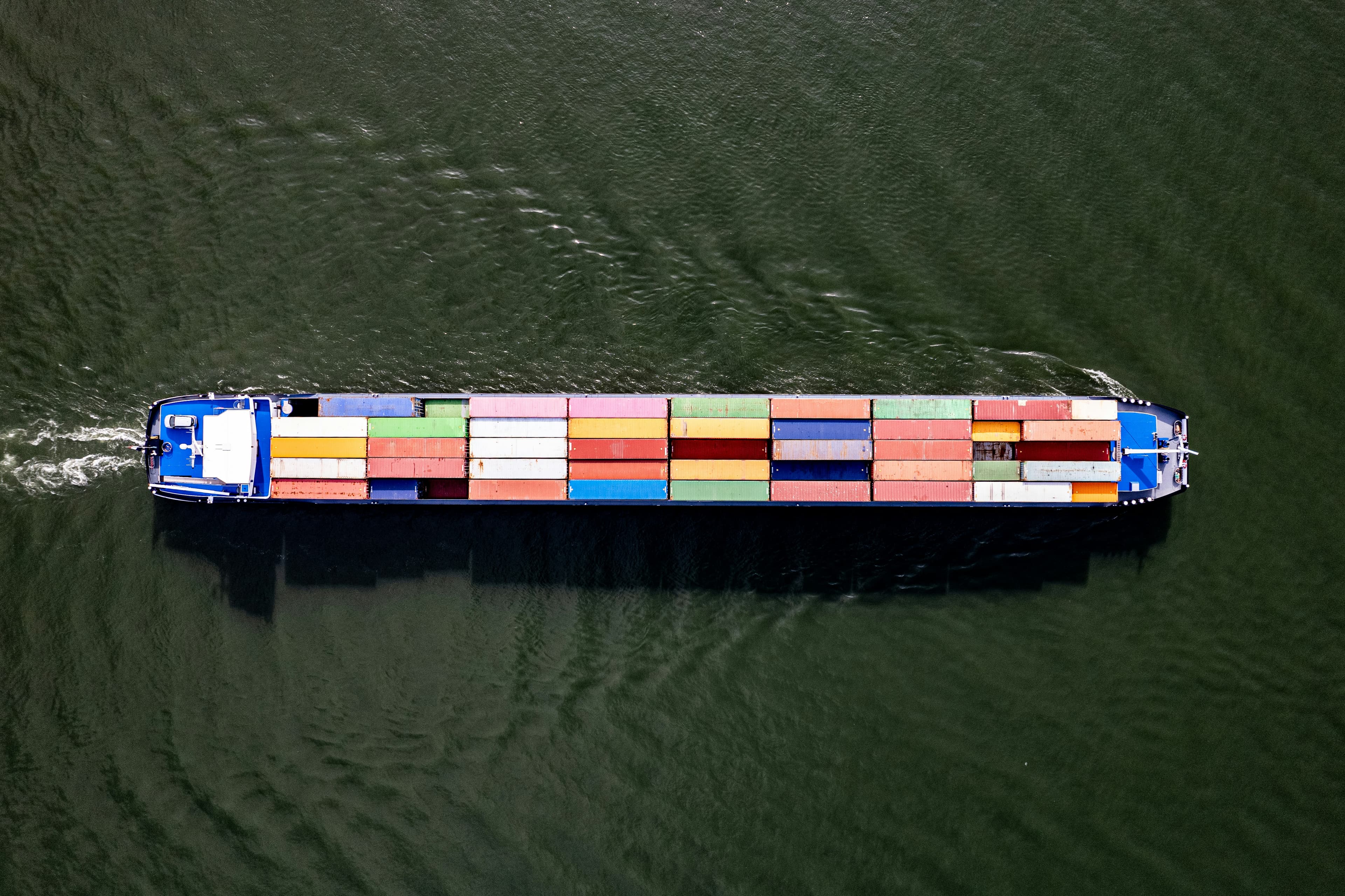
Political Instability Disrupts Global Supply Chains: What Businesses Need to Know
How political unrest disrupts global supply chains and what you can do about it.

The Role of AI in Risk Management: Practical Insights and Challenges
How AI-driven insights are transforming risk management and boosting supply chain resilience.