Top 4 Cities with the Heaviest Traffic
Bumper to bumper traffic is a major pain, often delaying ETAs, hiking up fuel costs, causing accidents etc. Here are the top 4 cities that experience the heaviest traffic.
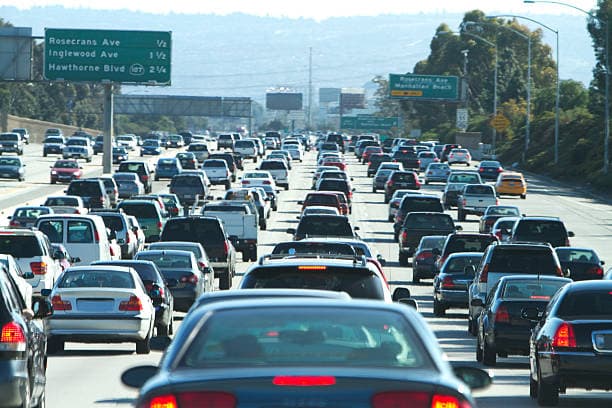
**Traffic, Delays, and Accidents **Nobody likes traffic. Nobody.
Traffic is what makes you late for your 5-year anniversary, miss your flight, push your ETA 30 minutes back. It also causes drivers to lose their patience, attempt dangerous lane switches which eventually leads to an accident.
It's and ongoing issue that has become the bane of everyone's existence, even businesses. Logistics companies *bleed *from problems like traffic. Delayed deliveries push operations off schedule. Hours in traffic hike up fuel costs significantly. Companies have even started taking slightly longer routes to avoid the possibility of traffic altogether.
By the looks of things, this'll be a never-ending problem as megacities continue to be highly desirable places to live. That being said, here are the top four cities that suffer from extreme levels of traffic (TomTom).
- Łódź, Poland
Despite being the smallest city on this list, Łódź holds a whopping 73% congestion level. Before Poland joined Europe in 2004, citizens hardly relied on personal vehicles, often using public transportation and/or bicycles. Once the EU-expansion happened, rapid motorization was inevitable. Infrastructure is adapting, just at a slower pace. Ironically, a lot of these ongoing urbanization projects are contributing to the high congestion, as road access is constantly shifting. Drivers don't seem to handle this well, as accidents are frequent due to driver impatience, risky lane switches, and red-light violations. Fun fact: Łódź is often used as a warning example in many European transportation studies.
- Dublin, Ireland
Dublin's congestion level matches Łódź at 73%, with the average speed during peak traffic hours dropping below 10 km/h. Dublin is a beautiful, historic city, with plenty of architecture and city designs that date back centuries. The roads were meant for on-foot traveling and horses, making it poorly suited for a high volume of modern vehicles. The city falls victim to outdated infrastructure, constant construction, and heavy commuter inflow. The traffic is so bad that most residents actually prefer walking over driving, even in bad weather.
- Bengaluru, India
Bengaluru's congestion level sits at 74%, with 10 km commutes taking as long as an hour, double that when it rains (don't get me started on the flooding). Factors including the increase in vehicles (around 1,500 per day), non-staggered construction, and a lack of any real traffic lane organization makes driving one long headache. On average, commuters spend around 168 hours (a week's worth) per year in traffic. This city is constantly ranked as having one of the world's slowest traffic every year, and it's clear why. Companies even base their hiring decisions based on candidate commute times (just when you thought the hiring process couldn't get any harsher).
- Mexico City, Mexico
Around 23 million people reside in Mexico City's metro area, so it's no surprise that their congestion level is 76%. Peak-hour traffic stretches across the entire day, only calming down around 9PM. This city's traffic is caused by the number of residents / commuters, geography (the city was built on a lakebed, so subsidence causes a lot of road damage), and protests. This city records tens of thousands of accidents per year. It's such a problem that the city loses billions each year in productivity due to delays.
**Wrapping Up:**Again, I can't emphasize enough how much of a nuisance traffic really is. Individuals lose time, cities become less safe, and businesses lose money. Patterns continue, however: as more people migrate to cities, that means those same roads are only getting more full. These cities are prime examples of the huge strain that comes with dense populations.
This is exactly the kind of problem Orion was made to track. Our real-time intelligence alerts you to disruptions (in this case, heavy traffic) as they pop up, so that you can make the best decision for you and your company. While we may not be able to get rid of traffic, we're able to offer you the proper information ahead of time, so you can plan around it.
For more information, visit us at www.oriongeo.com and schedule a demo. But, if you're interested in more content, visit our blog page!
See how Orion monitors these risks in real time
Get adaptive risk alerts across 190 countries, updated continuously from 100,000+ data sources.
Request a Demo →Related
CISA to Infrastructure: Plan for Going Offline
CISA's CI Fortify initiative tells critical infrastructure operators to prepare for weeks of isolated operations during cyber conflict. Here's what it means.
ArticleHurricane Season 2026: Prepare Operations Before June 1
The 2026 hurricane season starts June 1 with 11-16 storms forecast. Below-average counts don't mean low risk. Here's how operations teams should prepare now.