Beyond Oil: What Else the Hormuz Blockade Disrupts
The Hormuz blockade goes beyond oil. Fertilizer, helium, and aluminum are caught in the closure, and Pacific Island nations are declaring fuel emergencies.
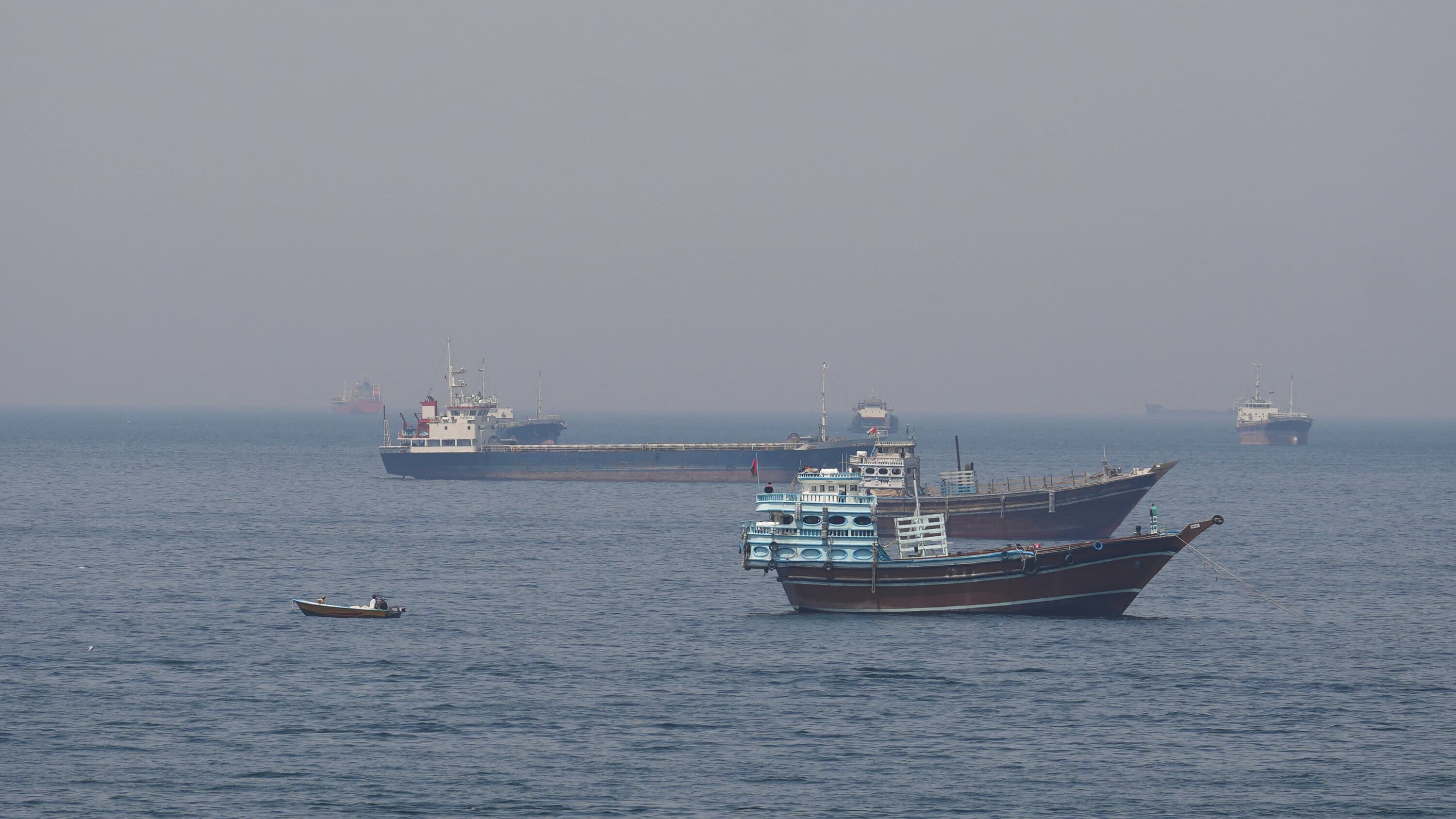
Fertilizer, Helium, and Beer Cans
Seven weeks into the Strait of Hormuz closure, oil dominates the headlines. But the blockade is choking off commodities that most operations teams aren't tracking -- and the downstream effects are already hitting.
The Gulf region produces nearly half the world's urea and 30% of its ammonia (Carnegie Endowment). About one-third of global fertilizer passes through the strait. Urea prices have spiked 50% since the war began. With the Northern Hemisphere spring planting season underway, the timing could not be worse for corn, wheat, and rice producers worldwide.
Nine Commodities, One Chokepoint
The World Economic Forum identified nine non-oil commodities caught in the blockade:
- Fertilizer (urea, ammonia, DAP): 30-50% of global supply transits Hormuz. Spring planting is already affected.
- Helium: One-third of world production is disrupted. Qatar is the second-largest producer. MRI scanners, semiconductor fabs, and aerospace applications all depend on stable helium supply (PolitiFact).
- Aluminum: Gulf states account for 20% of raw aluminum exports. Beer cans, auto parts, construction materials, and packaging are exposed (NPR).
- Methanol: One-third of global seaborne methanol trade passes through Hormuz -- a key feedstock for resins, coatings, and plastics (Renewable Matter).
- LNG: 20-25% of global supply. European gas storage sat at just 30% capacity after a harsh winter.
- Petrochemicals: Ethylene and polyethylene supply chains are strained across the Gulf's massive downstream sector.
If your operations depend on any of these inputs, the Hormuz closure is already in your cost structure -- whether your procurement team has flagged it or not.
The Far End of the Chain
The most visible example of cascading supply chain failure is happening 12,000 km from the strait.
Tuvalu declared a state of emergency on April 14. Diesel prices jumped 40%, petrol 30%. The government says fuel supply beyond June is not assured (Bloomberg). Emergency powers now control fuel distribution and transportation across the island nation.
The Marshall Islands government shuts down at 3pm daily under an Emergency Electricity Savings Policy issued April 10 (PINA).
These are small nations. But they illustrate a pattern that applies at every scale. Pacific Island states spend roughly a quarter of GDP on imported petroleum and have almost no strategic reserves. When a chokepoint closes, the weakest links in the supply chain break first. For operations teams managing distributed assets or supplier networks, the question is: where are your weakest links?
What Operations Teams Should Do
Map your non-oil commodity exposure. Most supply chain risk models focus on energy and finished goods. Run an audit on your fertilizer, chemical, and raw material inputs. If any trace back to Gulf production or Hormuz transit, you're exposed.
Watch helium if you run medical or technical facilities. MRI machines, semiconductor fabs, and research labs depend on stable helium supply. With one-third of global production disrupted, rationing is already beginning in some markets.
Track second-order effects, not just first-order. The direct impact of the Hormuz closure is energy prices. The second-order impacts -- food prices, material shortages, manufacturing delays -- take weeks to materialize but last longer. Orion monitors the compound risk signals that connect a maritime chokepoint to your specific asset and supplier network, so your team sees the cascade before it reaches your operations.
Wrapping Up
Oil gets the headlines. But the Hormuz blockade is a commodity crisis, not just an energy crisis. The operations teams tracking fertilizer, helium, and aluminum alongside crude are the ones who will adapt fastest.
See how Orion monitors these risks in real time
Get adaptive risk alerts across 190 countries, updated continuously from 100,000+ data sources.
Request a Demo →Related
CISA to Infrastructure: Plan for Going Offline
CISA's CI Fortify initiative tells critical infrastructure operators to prepare for weeks of isolated operations during cyber conflict. Here's what it means.
ArticleHurricane Season 2026: Prepare Operations Before June 1
The 2026 hurricane season starts June 1 with 11-16 storms forecast. Below-average counts don't mean low risk. Here's how operations teams should prepare now.