Ghana's Cocoa Collapse: A Supply Chain Governance Failure
Ghana's cocoa farmers haven't been paid in six months. COCOBOD carries $60B in liabilities. Here's what the crisis means for commodity supply chains.
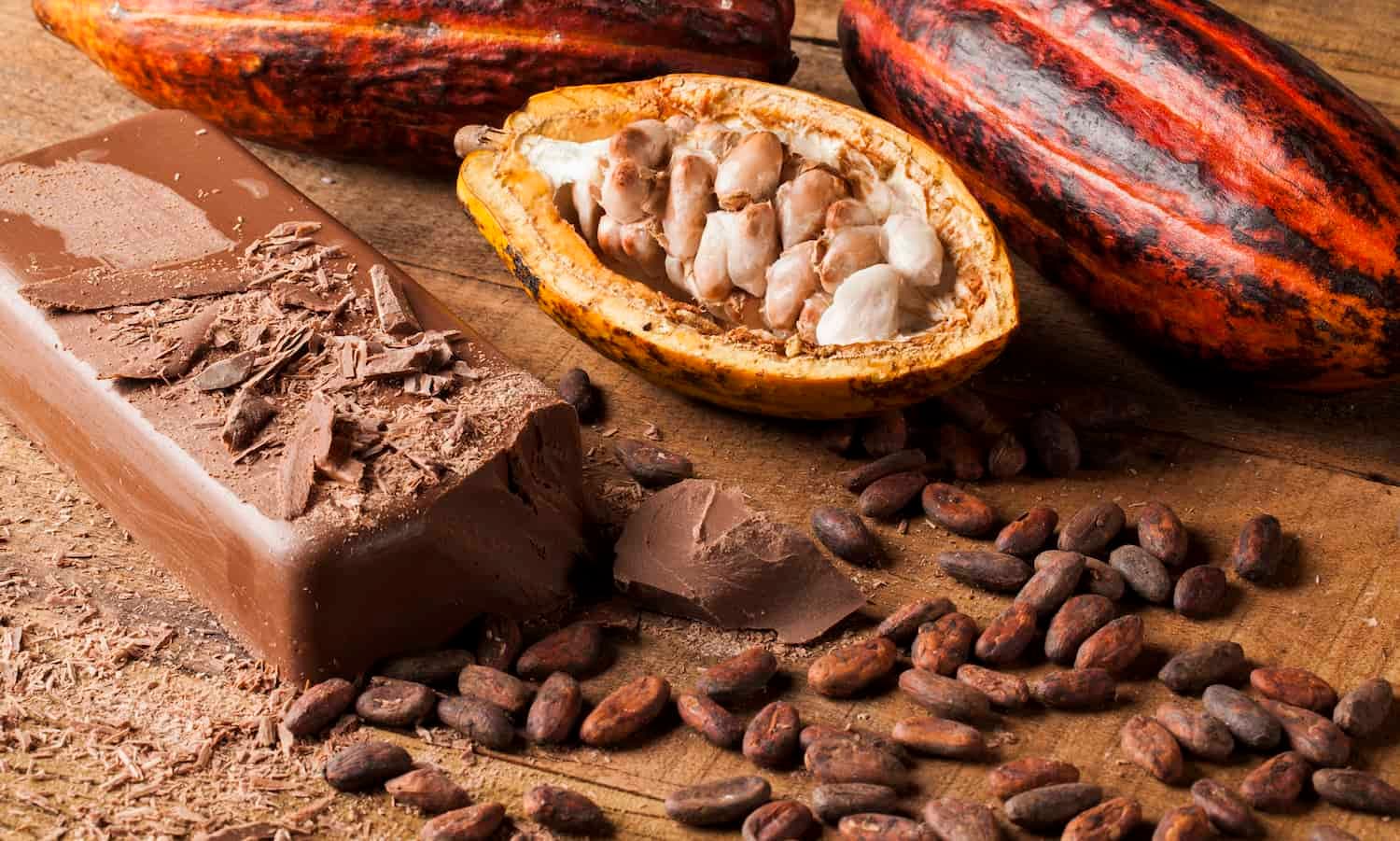
Six Months of Silence, Six Months of Suffering
Cocoa farmers across Ghana's Western, Western North, Ashanti, Eastern, and Bono regions have not been paid since November 2025. Some delivered beans six months ago and received nothing. In February, a group of farmers from the Western North Region marched to the headquarters of the Ghana Cocoa Board (COCOBOD) in Accra to demand payment (Ghana News Agency).
This is not a price story. Cocoa prices fell from $7,200 per tonne to about $4,100 per tonne. But the payment crisis has deeper roots. COCOBOD entered the 2025/26 season carrying GH-60 billion in total liabilities, including a $481 million loan due this season. Its production forecast of 800,000 tonnes missed actual output by 45% in 2023/24, producing just 432,145 tonnes (African Arguments).
The governance failure is now a supply chain risk.
What Is Breaking
Ghana is the world's second-largest cocoa producer. More than one million smallholder farmers depend on cocoa for their livelihoods. When the state cocoa board cannot pay them, the effects ripple outward fast.
- Licensed Buying Companies (LBCs) are owed roughly $10 billion for cocoa deliveries since November 2025. Some remain unpaid for two consecutive seasons (PBS News).
- Farmers are abandoning cocoa. Some have handed land to illegal sand miners for quick cash. Others are shifting to rubber, palm oil, or galamsey (illegal gold mining). The Ghana Catholic Bishops Conference warned of unpaid labor, disrupted schooling, and rising household debt in cocoa communities.
- Cocoa is literally rotting. Beans that cannot be sold or collected are spoiling in storage. This reduces the available supply even further and degrades quality for buyers downstream.
- On February 12, the Finance Ministry cut the producer price by 29% -- from GH-3,625 to GH-2,587 per 62.5kg bag. Farmers who were already unpaid saw their future earnings slashed.
Why Operations Teams Should Pay Attention
If your company sources cocoa, palm oil, rubber, or any agricultural commodity from West Africa, the Ghana crisis is a direct exposure. But the broader lesson applies to any commodity supply chain with concentrated state intermediaries.
Governance risk is supply chain risk. COCOBOD is the sole buyer and exporter of Ghanaian cocoa. When a single state entity controls a critical link in your commodity chain and that entity is insolvent, your supply is at risk regardless of market price. The same pattern applies to state marketing boards in cotton, coffee, and minerals across Sub-Saharan Africa.
Farmer exit is a slow-moving disruption. Unlike a port closure or a storm, farmer abandonment does not trigger a headline. It shows up 12-18 months later as reduced output, lower quality, and higher spot prices. By the time procurement teams notice, the damage is structural.
Dual-sourcing does not fix concentrated risk. Ghana and Cote d'Ivoire together produce roughly 60% of the world's cocoa. Switching from one to the other does not remove the regional exposure -- political instability, climate stress, and governance fragility affect both. Orion monitors political and economic risk signals across producing regions, giving supply chain teams early visibility into conditions that precede disruptions like the COCOBOD payment freeze.
What to Do This Week
Audit your commodity intermediary risk. For every key agricultural input, identify the state or parastatal entity that controls the buying, grading, or export process. Assess its financial health and governance track record. If it looks like COCOBOD did 12 months ago -- ballooning liabilities, missed production targets, delayed payments -- your supply is already at risk.
Track farmer-level signals. Payment delays, land-use shifts, and community distress are leading indicators. They show up in local media, NGO reports, and agricultural extension data long before they appear in commodity futures.
Stress-test your West African exposure. If you source cocoa, rubber, palm oil, or cashews from the region, model the scenario where one producing country's harvest drops 30-40% due to governance failure. What is your fallback? How fast can you activate it?
Wrapping Up
Ghana's cocoa crisis started as a governance problem inside COCOBOD. It is now a humanitarian crisis for over a million farming families and a supply chain risk for every company that depends on West African commodities. The signals were visible months ago. The question is whether your team was watching.
See how Orion monitors these risks in real time
Get adaptive risk alerts across 190 countries, updated continuously from 100,000+ data sources.
Request a Demo →Related
CISA to Infrastructure: Plan for Going Offline
CISA's CI Fortify initiative tells critical infrastructure operators to prepare for weeks of isolated operations during cyber conflict. Here's what it means.
ArticleHurricane Season 2026: Prepare Operations Before June 1
The 2026 hurricane season starts June 1 with 11-16 storms forecast. Below-average counts don't mean low risk. Here's how operations teams should prepare now.