Super Typhoon Sinlaku: What Pacific Operators Should Do Now
Super Typhoon Sinlaku is pounding Guam and the Northern Marianas with 185 mph winds. Here's what Pacific operations and supply chain teams should do now.
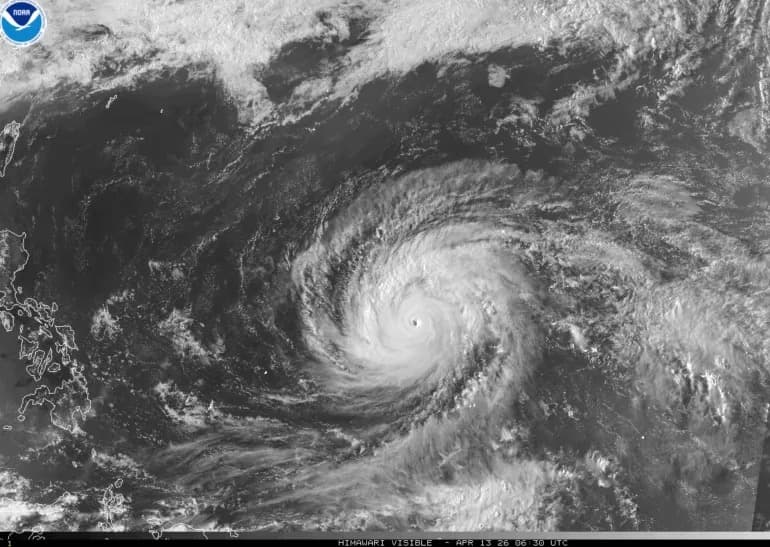
A Category 5 Storm, Unusually Early
Super Typhoon Sinlaku slammed the Northern Mariana Islands overnight and skirted past Guam on April 14-15, 2026, the strongest tropical system recorded so far this year (AccuWeather). Peak sustained winds hit 185 mph. Most typhoons this intense hit the West Pacific between July and November, not mid-April.
Saipan and Tinian, home to nearly 50,000 residents, took the worst of it. Saipan reported an island-wide power outage at 6:32 a.m. local time with 15,624 people affected (CBS News). Rainfall forecasts called for 15 to 25 inches and widespread flash flooding.
Why This Matters Beyond the Islands
Guam is not a dot on a map. It is a critical hub for U.S. forces in the Pacific, with three active military bases (Andersen Air Force Base, Naval Base Guam, Marine Corps Base Camp Blaz) and a population of about 170,000 (Stars and Stripes). All three bases narrowed to essential functions during the storm.
For commercial operators, Guam and the Marianas sit on trans-Pacific cable, fuel, and logistics routes:
- Data center and cable infrastructure. Several trans-Pacific submarine cables land on Guam. Power outages and storm surge can disrupt landing stations and backhaul.
- Fuel and LNG transit. The region handles staging for U.S. military and commercial fuel logistics. Port shutdowns cascade into delays across the Pacific.
- Humanitarian and relief response. The American Red Cross sheltered more than 1,000 residents pre-landfall. Supply chains for fuel, water, and medical equipment now face 7-14 days of strain.
What to Do Now
Check exposure across the region. If you operate assets, suppliers, or transit routes in the Western Pacific, pull a list today. This storm is not an isolated event. Forecasters expect the early-season intensity to extend an active typhoon season.
Stress-test your Pacific contingencies. Many continuity plans assume Guam is available as a staging point. For the next 2-4 weeks, assume it is degraded. Identify alternate fuel bunkering, crew changes, and comms paths.
Coordinate with on-island partners early. Power and telecom restoration will be uneven. Local providers prioritize critical infrastructure first. If your facilities depend on third-party services, confirm restoration timelines before committing to SLAs.
Watch the track for secondary effects. Sinlaku is moving slowly and weakening. Expect residual flooding, debris, and logistics bottlenecks into late April. Orion flags compound weather-logistics risks across Pacific corridors in real time, giving operations teams lead time before carrier schedule changes show up in the inbox.
Wrapping Up
Early-season super typhoons are a signal, not a one-off. Teams that tighten their Pacific playbook this week will move faster the next time. Request a demo to see how Orion monitors these events in real time.
See how Orion monitors these risks in real time
Get adaptive risk alerts across 190 countries, updated continuously from 100,000+ data sources.
Request a Demo →Related
CISA to Infrastructure: Plan for Going Offline
CISA's CI Fortify initiative tells critical infrastructure operators to prepare for weeks of isolated operations during cyber conflict. Here's what it means.
ArticleHurricane Season 2026: Prepare Operations Before June 1
The 2026 hurricane season starts June 1 with 11-16 storms forecast. Below-average counts don't mean low risk. Here's how operations teams should prepare now.